How to Write Effective Interview Feedback

How to Write Effective Interview Feedback: The 2026 Guide to Data-Driven Hiring
Interview feedback is the structured, written evaluation of a candidate’s skills, behavioral competencies, and potential cultural contribution used to justify hiring decisions. It is the bridge between a conversation and a contract. In modern recruiting, effective feedback does more than just say "yes" or "no"—it provides the data necessary to reduce bias, defend decisions legally, and predict on-the-job performance.
For talent leaders and hiring managers, mastering this skill is no longer optional. Poor feedback loops are the silent killers of hiring velocity. When evaluators submit vague notes like "good vibes" or "didn't click," they create bottlenecks that delay offers and cost companies top talent. By shifting from gut feelings to evidence-based scorecards, organizations can decrease time-to-fill and improve quality of hire significantly.
Imagine this: You finish a final round interview with a promising engineer. You loved their energy. But three days later, when you sit down to write the feedback, the details are fuzzy. Was it their answer on system architecture that was weak, or was it their SQL knowledge? You write, "Good technical fit, but maybe not senior enough." This vague comment triggers a chain reaction of confusion, leading to unnecessary debrief meetings and, ultimately, a lost candidate.
The Cost of Vague Evaluations: A Real-World Scenario
To understand the true impact of interview feedback, let’s look at a realistic hiring scenario involving "Sarah," a Senior Recruiter, and "Mike," a VP of Engineering. They are trying to hire a Lead Developer, a critical role that has been open for three months.
The Workflow Breakdown
The process starts well. Sarah sources a top-tier candidate, executes a seamless phone screen, and moves them to the hiring manager round. Mike conducts the interview but gets busy immediately after.
The breakdown happens in the feedback loop:

- Day 0 (Interview): Mike interviews the candidate. He takes scribbled notes on a notepad.
- Day 3 (The Nudge): Sarah messages Mike: "Hey, any thoughts on the candidate?"
- Day 5 (The Vague Input): Mike finally logs into the ATS and writes: "Great guy. Smart. Worried he might get bored. Let's pass."
This feedback is catastrophic for several reasons. First, "great guy" is subjective and biases the process. Second, "worried he might get bored" is an assumption, not an observed behavior. Third, the five-day delay meant the candidate had already accepted an interview with a competitor. Sarah is left with no actionable data to explain the rejection to the candidate or to refine her sourcing strategy.
The Measurable Problem
Before implementing a structured feedback system, Sarah's funnel metrics revealed the damage:
- Time-to-Feedback: Average of 4.5 days (Industry best practice is <24 hours).
- Debrief Time: 45 minutes per role (spent debating "gut feelings" rather than data).
- Pass-Through Rate: Inconsistent, with high drop-off at the offer stage due to misaligned expectations.
The Breakthrough Moment
The turning point came when Sarah implemented a structured interview feedback protocol. She introduced specific scorecards with a 1-4 rating scale and required "evidence" for every score.
When Mike interviewed the next candidate, he used the new system. Instead of "worried he might get bored," he wrote: "Rated 2/4 on Long-Term Motivation. When asked about his 3-year plan, the candidate focused entirely on founding his own startup and did not mention growing within an engineering team."
This specific, behavioral feedback allowed Sarah to see exactly why the fit was wrong. The result? Time-to-fill dropped by 30% over the next quarter because the team stopped wasting time on misaligned candidates, and calibration meetings became 10-minute decision syncs rather than hour-long debates.
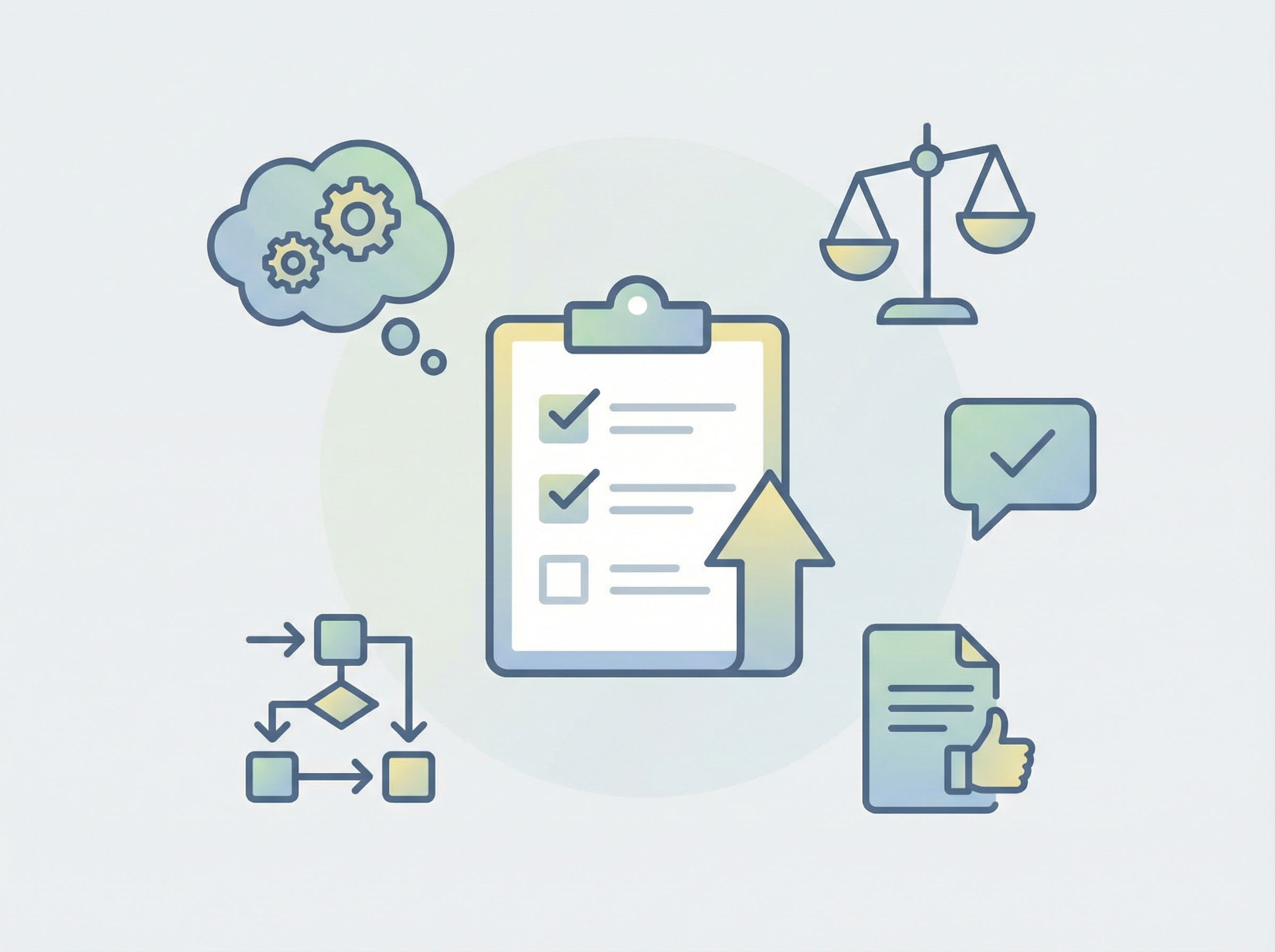
Heuristics for Better Hiring Decisions
Writing high-quality feedback is a learnable skill. Use these heuristics to transform your team’s evaluations from subjective opinions into objective data.
Actionable Best Practices
- The 24-Hour Rule: Human memory decays rapidly. Research suggests we lose up to 50% of detailed recall within 24 hours. Enforce a policy where feedback must be submitted the same day as the interview. This ensures ratings are based on what was said, not what the interviewer remembers feeling.
- Evidence vs. Inference: This is the golden rule of interview feedback. An inference is "She’s not a team player." Evidence is "When asked about a failed project, she attributed the failure entirely to her colleagues and did not own any part of the mistake." Always write the evidence first, then the rating.
- The "Culture Add" Metric: Stop assessing for "culture fit," which often disguises unconscious bias (e.g., "Would I have a beer with this person?"). Instead, assess for "culture add." Did the candidate demonstrate values that are currently missing or needed in your team, such as grit, structured thinking, or dissent?
Common Pitfalls to Avoid
- The Halo/Horn Effect: This occurs when one strong trait (like going to a prestigious university) blinds the interviewer to major skill gaps (Halo), or one minor mistake sours the entire review (Horn). Structured scorecards prevent this by forcing you to rate specific competencies independently.
- The "Like Me" Bias: Interviewers often rate candidates higher simply because they share hobbies or backgrounds. If your feedback includes phrases like "We hit it off," you are likely falling into this trap.
- Using Coded Language: Words like "articulate," "aggressive," or "low energy" can carry gender or racial bias. Stick to observed behaviors related to the job description.
Elevating Your Recruiter Profile
For recruiters and talent acquisition leaders, mastering the art of interview feedback is a career differentiator. It moves you from being a logistical coordinator to a strategic talent advisor.
Q&A: Talking the Talk
Q: "How have you applied interview feedback to improve hiring outcomes?"
A: "I transitioned my previous organization from unstructured notes to competency-based scorecards. By training managers to anchor feedback in observed behaviors rather than opinions, we reduced our debrief times by 50% and increased our offer acceptance rate by ensuring every decision was data-backed and calibrated."
Resume Bullet Examples
- Designed and implemented a structured interview feedback framework, reducing bias and decreasing time-to-hire by 15% across technical roles.
- Trained 20+ hiring managers on objective evaluation techniques, resulting in a 95% retention rate for new hires in their first year.
- Operationalized feedback loops using ATS data to identify and remove bottlenecks at the onsite interview stage.
Benefits and Tradeoffs of Structured Feedback
While structured feedback is the gold standard, it requires commitment. Here is a realistic look at the pros and cons.
| Benefit | Tradeoff |
|---|---|
| Legal Defensibility: Clear, behavior-based notes are your best defense against discrimination claims. | Time Investment: Writing detailed evidence takes longer than jotting down a quick "thumbs up/down." |
| Reduced Bias: Scorecards force interviewers to evaluate specific criteria, minimizing unconscious prejudice. | Perceived Rigidity: Some senior leaders may feel "constrained" by rigid forms and prefer conversational interviewing. |
| Scalability: Standardized data allows you to compare candidates apples-to-apples across different interviewers. | Training Overhead: Requires ongoing training to ensure all managers define "4/5" stars the same way. |
Common Questions About Interview Feedback
What exactly is interview feedback in a modern ATS?
In modern hiring platforms, interview feedback is a digital record linking a candidate's responses to specific job competencies. It typically consists of a numerical score (quantitative) and written evidence (qualitative), stored permanently to inform hiring committees and future audits.
Can specific interview feedback backfire legally?
Yes, if it is subjective or discriminatory. Comments about age, family status, or "personality" can be used as evidence in lawsuits. However, objective, job-related feedback actually protects companies by proving the rejection was based on merit, not bias.
How long should written feedback be?
Quality over quantity. You don't need a novel. 3-5 bullet points of clear evidence per competency are sufficient. The goal is to provide enough context that a third party could understand the decision without having been in the room.
Should feedback be shared with candidates?
Generally, no. While transparency is noble, specific feedback can open legal risks if misinterpreted. Most companies provide high-level, thematic feedback only if necessary, but keep detailed scorecards internal.
Building a Durable Hiring Advantage
Mastering interview feedback is not just about filling a seat today; it is about building a scalable engine for talent density. When you treat feedback as data, you remove the guesswork from your company's most expensive investment: its people. Consistency, speed, and fairness become the default, not the exception.
If you are ready to operationalize these best practices with workflows that enforce consistency automatically—from Sourcing and Resume Screening to AI Interviews and Background Checks—consider exploring platforms like Foundire (foundire.com). Tools that integrate structured evaluation directly into the interview process ensure that you never have to chase a hiring manager for feedback again.