How to Organize Effective Walk-in Interviews
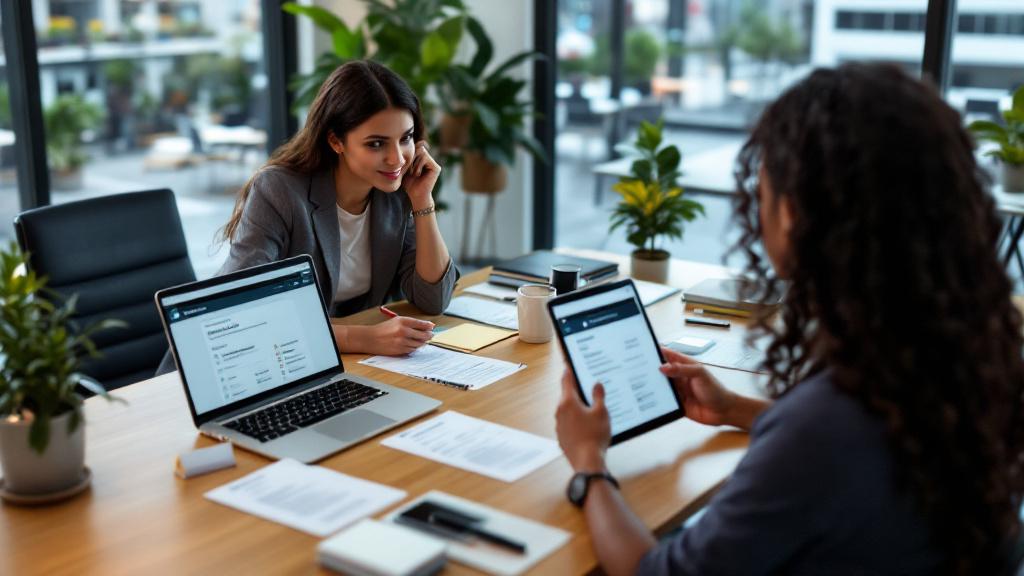
Walk-in interviews are open-hiring events where candidates can meet with recruiters and hiring managers without a prior appointment or scheduled slot. Unlike traditional hiring cycles that can drag on for weeks, walk-in interviews are designed for high-volume hiring and speed, often resulting in on-the-spot screening, interviews, and even job offers. This strategy is particularly effective for industries with high turnover or urgent staffing needs, such as retail, hospitality, and customer service, drastically reducing time-to-fill from the industry average of 20+ days to just a few hours.
Imagine this: It’s two weeks before the holiday shopping rush. A store manager named Sarah is staring at a schedule with 15 open shifts and zero new hires. In the traditional model, she would post a job description, wait a week for applications, spend three days phone screening, and another week scheduling interviews. By the time she makes an offer, her best candidates have already accepted jobs elsewhere. This is the "inefficiency loop" that kills hiring momentum.
Now imagine Sarah hosting a walk-in interview event. She opens the doors at 9:00 AM. By 12:00 PM, she has spoken to 40 people, screened out 20, interviewed 10 promising leads, and extended 5 offers. This isn't just a different meeting format; it is a fundamental shift in talent acquisition strategy that prioritizes decisiveness over bureaucracy.
Real-World Scenario: The Hiring Event Workflow
To truly understand the power of a well-executed walk-in interview, let’s break down a successful scenario involving "FreshLook Retail," a mid-sized clothing brand facing a seasonal staffing crisis. The goal was simple but aggressive: Hire 30 associate-level employees in one day.
Setting the Stage: The Digital Check-In
In the "old world" of walk-in interviews, candidates would arrive clutching paper resumes, forming a disorganized line that snaked around the building. Sarah, the hiring manager, would be buried under a literal stack of paper by noon, with no way to remember which resume belonged to the energetic candidate versus the unenthusiastic one.
For this event, FreshLook deployed a modern intake workflow. When candidates arrived, they weren't handed a clipboard. Instead, they scanned a QR code at the entrance. This link directed them to a mobile-friendly AI interview platform (like Foundire) where they created a mini-profile in under two minutes. They uploaded their resume (or snapped a photo of it) and answered three critical "knockout" questions:
- "Are you available to work weekends?"
- "Can you stand for shifts of up to 6 hours?"
- "Are you at least 18 years old?"
From Line to Offer: The Funnel
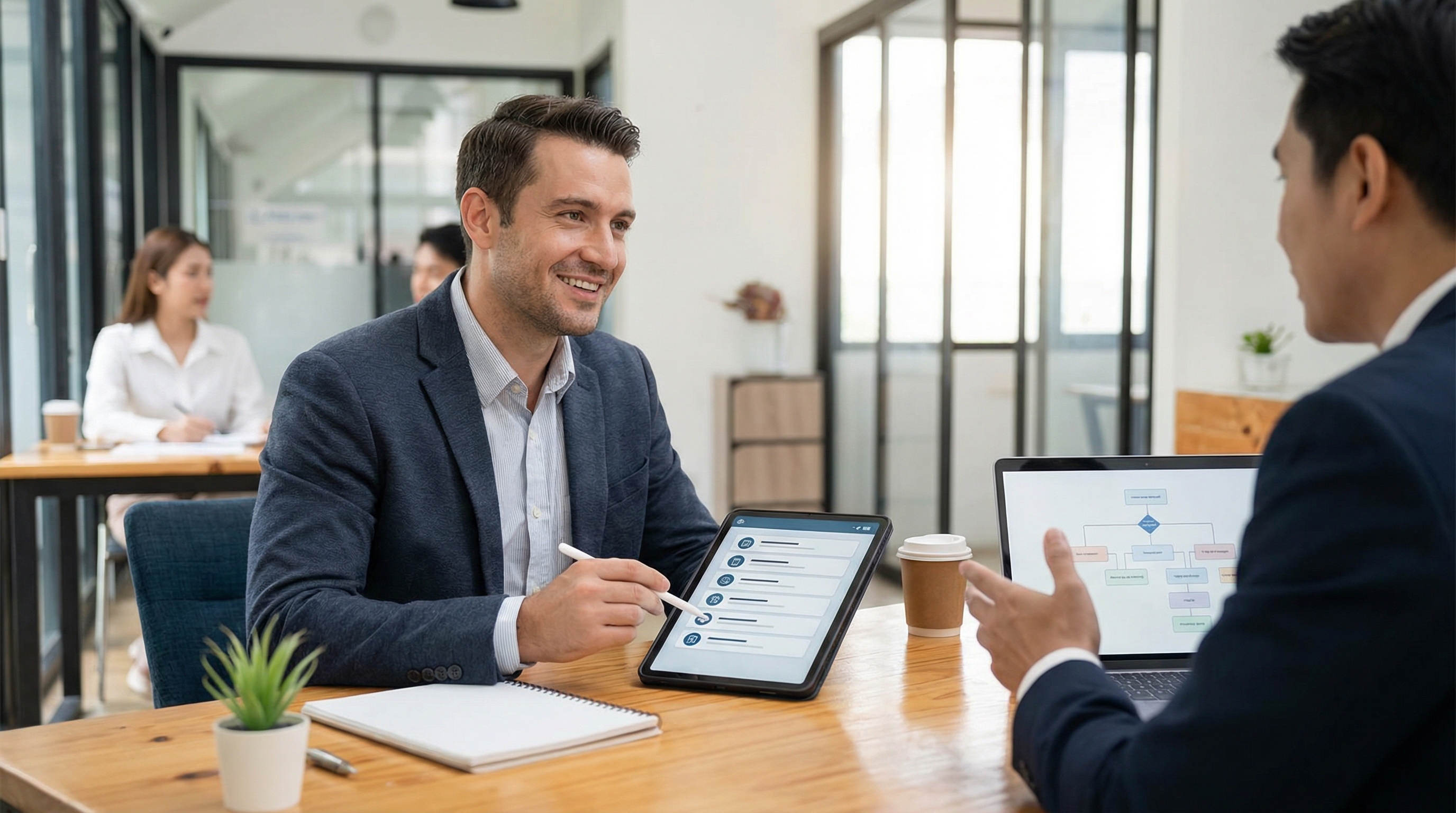
Once the candidate hit "Submit," their profile appeared instantly on Sarah’s tablet dashboard. The system automatically flagged candidates who didn't meet the basic criteria, allowing the greeter to politely redirect them before they even waited in line. This resume screening automation saved the recruiting team hours of conversation time.
The Stations:
- The Speed Screen (5 Minutes): Recruiters reviewed the digital profile and conducted a rapid culture-fit assessment. Did the candidate have good energy? Were they communicative?
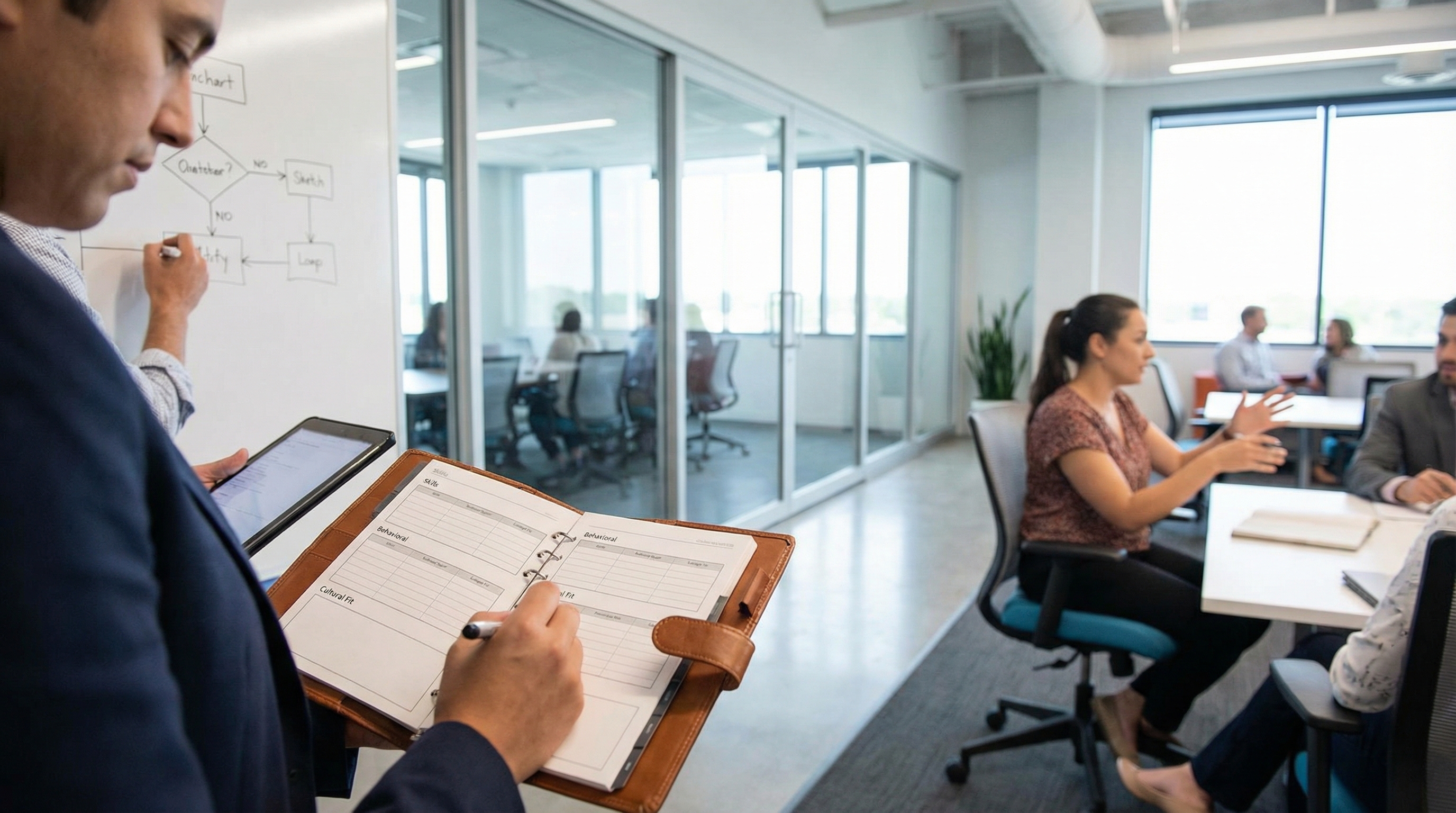
- The Manager Interview (15 Minutes): Candidates who passed the screen moved to a deeper interview with a department manager. Here, structured interviews were key. Managers used a digital interview scorecard to rate candidates on specific competencies like "Customer Focus" and "Problem Solving."
- The Decision Desk: Data from the scorecard was synced immediately. If a candidate scored above a 4/5, the hiring manager could authorize an offer on the spot.
- The Offer & Background Check: Successful candidates signed a conditional offer letter digitally and initiated their background checks via an integrated link before leaving the venue.
The Outcome: By 4:00 PM, FreshLook had processed 120 candidates. The pass-through rate from check-in to interview was 60%. The conversion rate from interview to offer was 25%. They filled all 30 spots in a single business day, reducing their cost-per-hire by eliminating weeks of job board advertising and recruiter hourly wages.
Core Insights & Best Practices
Hosting a walk-in event is not as simple as unlocking the doors. To avoid chaos, you must operationalize the process using specific heuristics and best practices.
1. Heuristic: The "Kill Criteria" First
The most common mistake in walk-in interviews is giving every attendee equal time regardless of fit. You must establish "Kill Criteria"—non-negotiable requirements—and assess them within the first 60 seconds. This sounds harsh, but it is respectful of everyone's time. Use a greeter or a digital screener to filter for availability, age requirements, and essential certifications. If a candidate cannot work your required shifts, a 20-minute interview is a waste of their time and yours.
2. Best Practice: Standardize with Micro-Scorecards
Even if an interview is only 10 minutes long, it must be objective. Abandoning structure leads to bias and bad hires. Create a "Micro-Scorecard" containing just 3-4 specific attributes you are testing for. For example:
- Communication: Can they explain a complex idea simply?
- Reliability: Do they have a track record of attendance?
- Attitude: Did they treat the greeter with respect?
This ensures that when three different managers interview 50 people, they are evaluating them against the same standard.
3. Pitfall: The "Cattle Call" Experience
A disorganized event can damage your employer brand. If candidates are left standing in the sun for two hours with no communication, they will leave and write negative reviews.
The Fix: Treat the walk-in like a marketing event. Have a waiting area with water and chairs. specific "stations" for different stages. Use text updates to let candidates know their estimated wait time. A positive experience—even for those you don't hire—turns candidates into customers.
4. Integration: The Data Loop
Often, data from walk-in interviews lives on paper scraps that get lost. You must integrate the event data into your ATS (Applicant Tracking System). Using a tool that digitizes the intake means that even candidates you don't hire today are captured in your database for future needs. You are building a talent pipeline, not just filling a single shift.
The Tech Breakthrough: Digitizing the Walk-in
The turning point for modern walk-in interviews is the elimination of paper. In the past, the bottleneck was always physical: deciphering handwriting, photocopying IDs, and manually typing data into an ATS the next day.
Moving Beyond Paper Resumes
By utilizing hiring workflow automation, you can transform the walk-in from a purely physical event into a data-rich environment. Platforms that offer "Text-to-Apply" or QR code intake allow candidates to check themselves in. This "self-service" model shifts the administrative burden from the recruiter to the candidate.
The Impact of AI:
Once the data is digital, AI interview platforms can assist in real-time. For instance, while a candidate waits in line, they could complete a short gamified assessment on their phone that measures cognitive ability or personality traits. By the time they reach the interview table, the hiring manager already has a "Recommended" or "Not Recommended" signal based on that data.
"The breakthrough happens when you stop viewing the walk-in as a 'meet and greet' and start viewing it as a 'mass processing event.' Technology is the only way to scale the personal touch."
This digitization also automates the dreaded "rejection" process. Instead of ghosting candidates (a major complaint), the system can send polite, automated decline emails to those who didn't meet the criteria, ensuring closure for the candidate and brand safety for the company.
Career Relevance for Recruiters
For talent acquisition leaders and recruiters, mastering the walk-in interview is a powerful career differentiator. It demonstrates an ability to manage logistics, high-volume pressure, and operational strategy simultaneously.
Resume Boosters and Interview Prep
If you are a recruiter looking to level up, having "Organized Walk-in Interviews" on your resume is good, but having specific metrics is better. Consider adding bullets like these:
- "Orchestrated a single-day hiring event processing 200+ candidates, resulting in 45 hires and reducing time-to-fill by 90%."
- "Implemented a digital intake workflow for walk-ins, eliminating paper resumes and capturing 100% of candidate data into the ATS."
- "Designed a 'Micro-Scorecard' system that calibrated decision-making across 12 hiring managers, increasing 90-day retention rates by 15%."
Strategic Q&A Snippet
In your own job interviews, you may be asked: "How do you maintain quality when hiring at such high speeds?"
Your Answer: "I believe speed and quality aren't mutually exclusive if the process is structured. In my last role, I utilized interview scorecards and pre-defined 'knockout' criteria to ensure we weren't just hiring quickly, but hiring correctly. We calibrated our managers before the event to ensure everyone knew exactly what 'good' looked like, which actually streamlined our decision-making."
Pros & Cons of Walk-in Interviews
| Benefits | Trade-offs |
|---|---|
| Speed to Hire: You can literally go from "hello" to "you're hired" in under two hours, capitalizing on candidate interest immediately. | Vetting Depth: Due to time constraints, it is difficult to conduct deep-dive behavioral interviews or thorough technical assessments on the spot. |
| Accessibility: Lowers the barrier to entry for candidates who may not have perfect resumes but have great soft skills and personality. | Logistical Load: Requires significant preparation (venue, staff, materials) and can easily become chaotic without a "traffic controller." |
| Cost Efficiency: Consolidates interviewing efforts into a single day, reducing the "context switching" costs for hiring managers. | Candidate Volume Risk: You might get 500 people, or you might get 5. Weather, location, and marketing significantly impact turnout. |
Frequently Asked Questions
What is a walk-in interview?
A walk-in interview is a recruitment event where candidates can attend without a scheduled appointment. It functions as an open call, allowing job seekers to meet directly with employers for screening and potential on-the-spot hiring. It is most common in retail, hospitality, and healthcare sectors.
Can walk-in interviews backfire?
Yes, if they are poorly organized. A chaotic event with long wait times and rude staff can destroy a company's reputation. Additionally, if the screening process is too rushed, you risk "panic hiring" unqualified candidates just to clear the queue, leading to higher turnover later.
What industries are best suited for walk-in interviews?
Industries with high-volume, customer-facing roles benefit most. This includes retail, food and beverage (restaurants, fast food), hospitality (hotels), warehousing, and seasonal event staffing. These roles often prioritize soft skills and availability, which are easily assessed in person.
How do I prepare my resume for a walk-in interview?
Keep it concise (one page). Since screeners have very little time, focus on relevant experience and availability. If the company uses digital intake, be prepared to upload a digital version or have a clear photo of your resume on your phone.
What is the difference between a job fair and a walk-in interview?
A job fair is usually a multi-employer event where the goal is networking and information gathering. A walk-in interview is hosted by a single employer with the specific intent of screening and hiring candidates that same day.
Conclusion: Speed as a Competitive Advantage
In a talent market where the best candidates are off the market in days (or sometimes hours), the ability to execute effective walk-in interviews is a massive competitive advantage. It signals to candidates that you value their time and are ready to make decisions. However, the "walk-in" of the future isn't just an open door—it's a sophisticated, data-driven operation.
By combining the human element of face-to-face connection with hiring workflow automation, you create a process that is fast, fair, and scalable. You move from "shuffling paper" to "securing talent."
If you want to operationalize walk-in interviews with structured workflows—from QR code resume screening and AI interviews to digital scorecards and instant offers—try tools like Foundire (https://foundire.com) to modernize your high-volume hiring.