How to Master the Screening Interview

How to Master the Screening Interview
A screening interview is a preliminary assessment used by recruiters to verify a candidate's basic qualifications, interest level, and logistical fit before advancing them to more in-depth rounds. It is the critical "gatekeeper" stage of the hiring process designed to filter a high volume of applicants down to a manageable pool of qualified talent. Effective screening interviews directly reduce Time-to-Fill and improve Quality of Hire by ensuring hiring managers only spend time on viable candidates.
In today's recruitment landscape, the "resume black hole" is a reality that burns out recruiters and frustrates candidates. Without a robust screening strategy, talent acquisition teams drown in administrative noise while top talent slips away to faster-moving competitors. Mastering this step is not just about filtering people out; it’s about creating a streamlined, data-driven workflow that respects everyone's time.
The Screening Bottleneck: A Real-World Scenario
To understand why screening matters, let's look at a common scenario in many growing companies. Meet Sarah, a corporate recruiter, and Dave, the Engineering Manager she supports.
Dave is desperate to hire a Senior Developer. He opens a role and, within 48 hours, receives 250 applications. Sarah is tasked with the initial filter. Her workflow looks like this:
- She manually reviews resumes, spending 30 seconds on each.
- She emails 20 promising candidates to schedule a phone call.
- She plays "calendar Tetris" for three days, eventually connecting with 12 candidates.
- She conducts unstructured 30-minute chats, relying on her notes and "gut feeling."
- She passes 8 candidates to Dave.
The Problem: Dave rejects 6 of the 8 candidates immediately. Two were over budget, three lacked a specific technical certification that wasn't clarified, and one required visa sponsorship the company couldn't provide. Sarah has wasted roughly 15 hours of work, Dave is frustrated by the low quality of candidates, and the Time-to-Fill clock is ticking past 40 days.
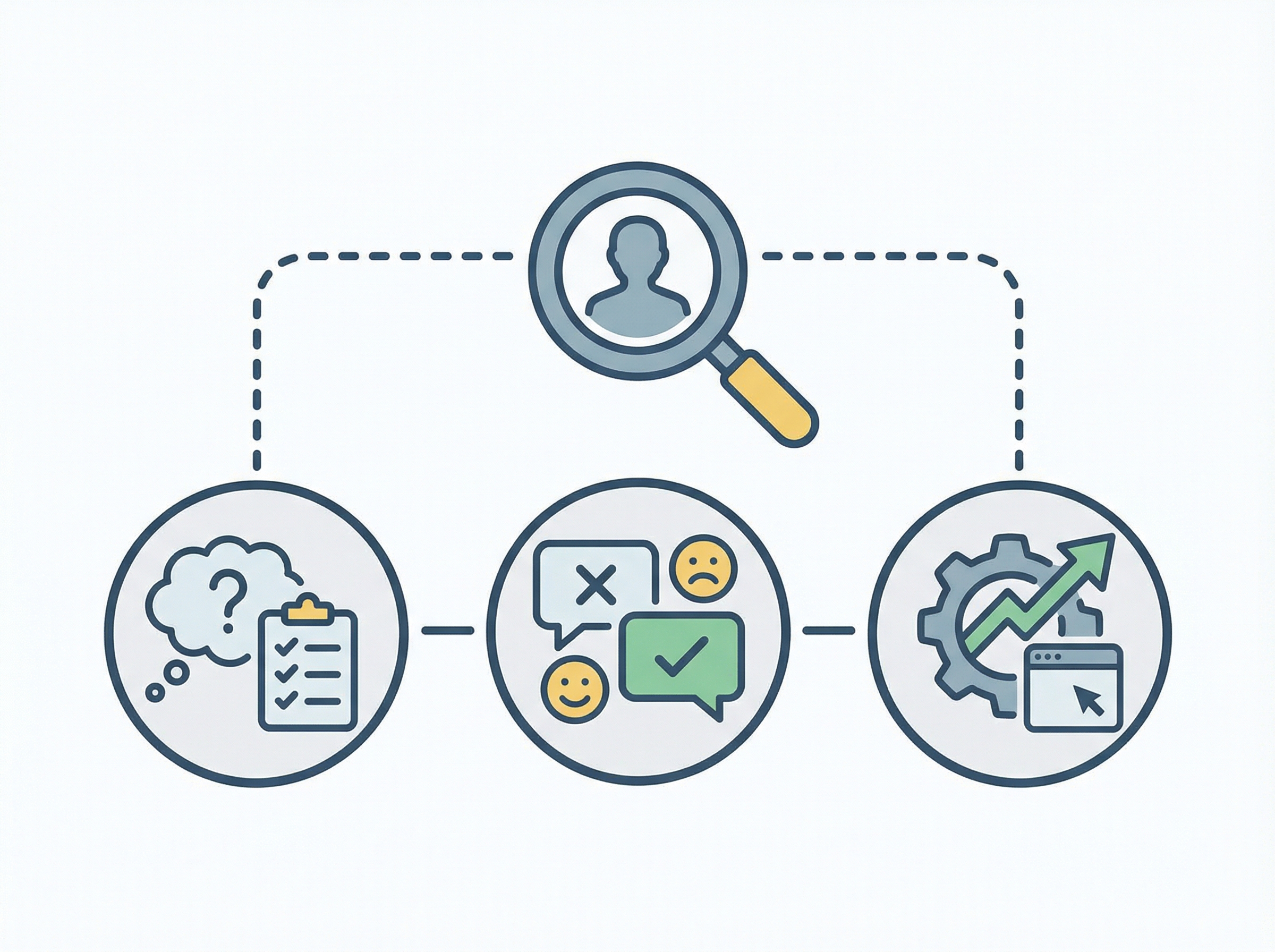
This is the Screening Bottleneck. High volume + low structure = wasted effort and missed opportunities.
Core Insights & Best Practices
To transform this chaotic process into a strategic advantage, you must operationalize the screening interview. Here are three actionable heuristics to apply immediately.
1. Implement Structured Interviewing
The biggest pitfall in screening is inconsistency. If you ask Candidate A about their salary expectations but forget to ask Candidate B, you cannot compare them fairly. A structured interview uses a standardized script where every candidate answers the same core questions in the same order. This reduces bias and allows you to score responses objectively.
2. Front-Load "Knockout" Questions
Don't wait until the end of a 30-minute call to discover a deal-breaker. Use your screening interview (or even your application form) to ask binary "knockout" questions early. These typically cover:
- Compensation: "Our budget for this role is $X-$Y. Is this within your range?"
- Location/Logistics: "This role requires being onsite 3 days a week. Does that work for you?"
- Work Authorization: "Will you now or in the future require sponsorship to work in this country?"
3. Automate with AI Interview Platforms
Modern recruiting teams leverage tools to scale their reach. An AI interview platform or automated scheduling tool can handle the initial pass. For example, tools like Foundire can automate resume screening and even facilitate asynchronous video introductions. This ensures that every applicant gets a fair review without consuming the recruiter's limited live hours.
Key Takeaway: The goal of screening is not to find the "perfect" candidate, but to safely eliminate the "wrong" ones quickly so you can invest meaningful time in the "right" ones.
Common Pitfalls to Avoid
- Overselling the Role: The screen is an assessment, not a sales pitch. While you should be courteous, spend 80% of the time listening and only 20% talking.
- Relying on Gut Feeling: "I liked his energy" is not a hiring metric. Use interview scorecards to rate specific competencies (e.g., "Communication Clarity: 4/5").
- Ignoring the Data: If your pass-through rate from Screen to Hiring Manager Interview is 90% but the Manager rejects most of them, your screen is too loose. If it's 10%, your screen might be too strict.
The Breakthrough: Data-Driven Outcomes
Let’s revisit Sarah and Dave. Sarah decides to overhaul her process.
She implements a structured screening script that includes mandatory knockout questions regarding budget and technical stack. She also adopts an automated scheduling tool to eliminate the email tag. Before sending anyone to Dave, she fills out a brief scorecard highlighting exactly why the candidate is a fit based on the agreed criteria.
The "After" Result:
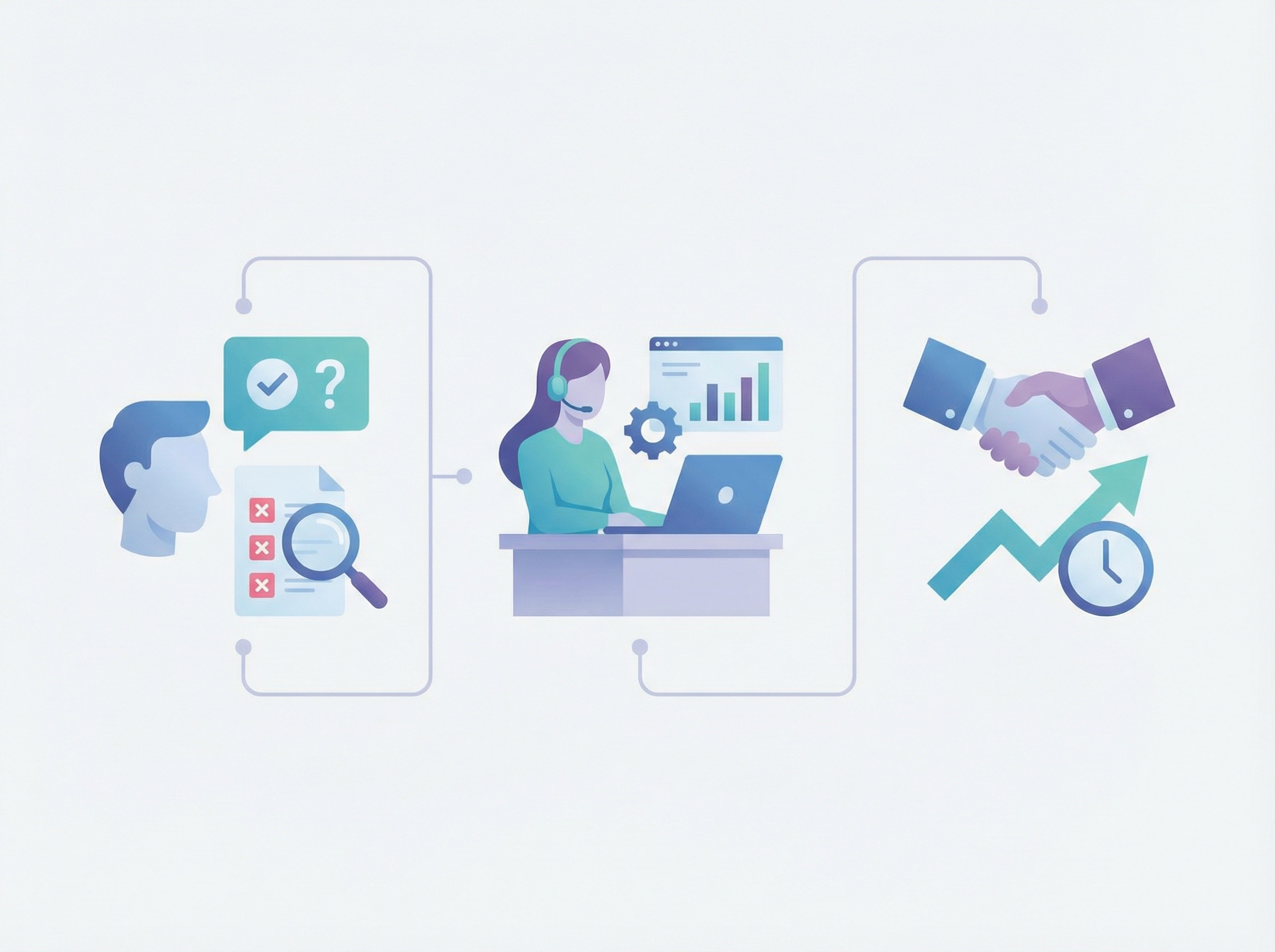
- Volume: Sarah screens fewer people (quality over quantity) because the knockout questions filter out mismatched candidates early.
- Efficiency: She saves 15 hours a week on scheduling and dead-end calls.
- Alignment: She passes 4 candidates to Dave. He interviews 3 and makes an offer to 1.
- Metrics: The pass-through rate to the next round improves, and the "false positive" rate (candidates Dave hates) drops to near zero.
By treating the screening interview as a strategic filter rather than a casual chat, Sarah moved from being a bottleneck to a talent advisor.
Career Relevance for Talent Leaders
Mastering the art of the screening interview is a career accelerator for recruiters. It demonstrates that you understand business needs and can operate efficiently at scale. When interviewing for your next Talent Acquisition role, you can differentiate yourself by discussing your methodology.
Q&A Example:
Interviewer: "How do you handle high-volume requisitions?"
You: "I implement a structured screening process. By standardizing my questions and using knockout criteria early, I improved my submission-to-interview ratio by 30% and reduced the hiring manager's review time significantly. I also use data from scorecards to calibrate with managers weekly."
Resume Impact
Add these types of bullets to your resume to show your impact:
- "Designed and implemented structured interview scorecards, reducing Time-to-Fill by 20% across engineering roles."
- "Leveraged AI workflow automation to process 500+ monthly applications, increasing candidate response speed by 2x."
- "Improved recruiter-hiring manager alignment, achieving a 75% conversion rate from Screening to Onsite Interview."
Pros & Cons of Automated Screening
| Benefit | Tradeoff |
|---|---|
| Consistency & Fairness: Automated tools and structured scripts ensure every candidate is judged by the exact same criteria, reducing unconscious bias. | Loss of "Human Touch": Over-automation can make candidates feel like a number. It requires careful design to ensure the candidate experience remains warm and personal. |
| Speed & 24/7 Availability: AI tools can screen resumes or conduct async interviews while you sleep, drastically reducing the administrative burden. | Complexity of Setup: Implementing new workflows (ATS integration, AI calibration) requires initial time investment and change management. |
| Data-Driven Decisions: Digital tools provide analytics on funnel performance, helping you identify exactly where candidates are dropping off. | False Negatives: A rigid automated screen might reject a "wildcard" candidate who has high potential but lacks a specific keyword or credential. |
Frequently Asked Questions
What is a screening interview?
A screening interview is a short, initial conversation (usually 15–30 minutes) between a recruiter and a candidate. Its primary goal is to assess whether the applicant meets the mandatory requirements for the role and to verify their interest and availability before moving them to formal interviews.
Can automated screening backfire?
Yes, if not balanced with human oversight. If the automated criteria are too strict, you may reject qualified talent (false negatives). Additionally, a cold or difficult automated process can damage your employer brand, causing candidates to drop out.
How long should a screening interview take?
The industry standard is 15 to 30 minutes. This is enough time to verify qualifications, discuss the role's logistics (salary, location), and gauge communication skills without getting bogged down in deep technical assessments.
What are the best questions to ask during a screen?
Focus on "knockout" and fit questions: "Why are you looking to leave your current role?", "What are your salary expectations?", "Do you have experience with [Critical Skill X]?", and "What is your notice period?"
Conclusion
Mastering the screening interview creates a durable hiring advantage. It protects your hiring managers' time, ensures fairness for candidates, and ultimately drives better business results. By moving away from "gut feelings" and embracing structured workflows—from resume screening to interview scorecards—you position yourself as a strategic partner rather than just a resume shuffler.
If you want to operationalize this process with structured workflows (Sourcing → resume screening → AI interviews → scorecards → offers → background checks), consider exploring tools like Foundire to automate and elevate your hiring stack.