How to Build a Scorecard Reminder Workflow

How to Build a Scorecard Reminder Workflow
A scorecard reminder workflow is an automated sequence of notifications designed to prompt hiring managers to submit their interview evaluations immediately after speaking with a candidate. It matters immensely because feedback delays are the single biggest bottleneck in modern talent acquisition. By implementing this specific system, recruiting teams drastically improve overall hiring speed, decision quality, consistency, and candidate experience [1]. Ensuring top talent receives a timely response often means the difference between extending a successful offer and losing an applicant to a faster competitor. In the highly competitive hiring landscape of 2026, where efficiency is paramount, mastering this automation provides a distinct operational advantage.
Imagine this: You have just sourced a stellar candidate. They ace the technical assessment, charm the entire panel, and appear to be the perfect culture fit. But because your lead engineer forgets to submit their feedback, days silently pass. By the time you finally gather the interview scorecards to make a decision, the candidate emails you to say they have accepted another role. The problem was not your compensation package or company vision—it was an inefficient internal process that left the candidate in the dark.
Recent reports highlight the sheer severity of this issue. According to candidate experience data from 2026, 62% of candidates lose interest after just two weeks of post-interview silence, and an astonishing 94% of candidates actively want interview feedback, yet only 41% ever receive it [1]. When hiring teams take days to fill out their notes, the entire hiring workflow automation machine grinds to a devastating halt, hurting both the employer brand and the bottom line.
A Real-World Hiring Scenario: From Chaos to Clarity
The Talent Acquisition Struggle
To truly understand the value of this automation, we need to look at a typical, deeply flawed hiring process. Meet Sarah, a Lead Recruiter at a fast-growing tech startup, and Mark, an Engineering Manager tasked with scaling his backend development team. Sarah is a highly organized professional who meticulously manages the top of the hiring funnel. She handles the initial intake meetings flawlessly, optimizes the resume screening process to filter out unqualified applicants, and even leverages a cutting-edge AI interview platform to accelerate the initial qualification rounds.
Then comes the deeply human element of the process. Mark and his engineering team conduct the final structured interviews. They ask the right questions, probe the right technical skills, and generally run a solid interview. However, there is a massive, structural disconnect between the moment the interview ends and the moment a final decision is made. Sarah finds herself constantly chasing Mark for his notes. She sends emails, tags him in Slack, and occasionally resorts to walking over to his desk to ask, "How did the interview go?" Mark, overwhelmed by coding sprints, bug fixes, and stakeholder meetings, constantly promises to fill out the feedback "later today," which inevitably turns into tomorrow, and then the next day.
Mapping the Workflow and Metrics
Let us trace Sarah and Mark's end-to-end workflow steps: it moves from intake, to resume screening, to structured interviews, to decision, and finally to the offer. At first glance, the pipeline looks solid. However, the data tells a much more concerning story. Sarah pulls a report from her ATS and discovers that their overall time-to-hire sits at a bloated 45 days, well above the 2026 global average of 40.1 days [4].
The core bottleneck is incredibly specific: there is a staggering 4-day average delay in scorecard submission after the final structured interviews. Because of this 96-hour gap in communication, Sarah's pipeline suffers a 20% candidate drop-off rate right at the most critical decision phase. One in five highly qualified candidates abandons the process simply because Mark and his team cannot synthesize their feedback fast enough. This delay not only wastes thousands of dollars in sourcing efforts but also forces Sarah to restart the entire talent acquisition cycle, creating a vicious loop of inefficiency and frustration.
Core Insights: Best Practices and Pitfalls
Actionable Heuristics for Automation
Fixing this broken system requires more than just telling hiring managers to "work faster." It requires strategic hiring workflow automation. Here are the most actionable heuristics and best practices for applying a scorecard reminder workflow successfully:
Trigger the first reminder exactly 2 hours post-interview. Memory degrades rapidly. If a hiring manager waits until the end of the week to write their notes, they are relying on vague impressions rather than factual data, which introduces massive bias. By sending a gentle, automated nudge exactly two hours after the calendar event ends, you capture the interviewer's thoughts while the technical details and cultural indicators are still fresh.
Escalate intelligently after 24 hours. If the feedback is not submitted within a full day, the system should automatically escalate the urgency. This second reminder should not just ping the individual interviewer; it should CC the hiring manager or department head. Accountability is a powerful motivator. Tying this escalation directly to your ATS ensures that leadership has full visibility into who is holding up the talent acquisition pipeline.
Integrate natively into daily communication tools. Do not force engineers or sales leaders to log into a clunky, separate system just to check a box. The most successful workflows push alerts directly into the tools the team already lives in, such as Slack or Microsoft Teams. A notification that says, "Your interview with Alex finished 2 hours ago. Click here to submit your 5-minute scorecard," dramatically reduces friction.
Keep evaluation criteria hyper-focused. Automation only works if the task being automated is actually achievable. If your structured interviews require managers to fill out a 50-question rubric, no amount of reminding will speed them up. Simplify the format. Ask for a binary pass/fail on core competencies and a short qualitative summary. This aligns perfectly with modern platforms like Foundire, which champion streamlined, highly calibrated evaluation systems.
Common Misconceptions to Avoid
As talent teams rush to implement automation, they frequently stumble into preventable traps. You must avoid these three common pitfalls when building your system:
Creating severe alert fatigue. If your workflow pings a hiring manager via email, Slack, and text message simultaneously every four hours, they will simply mute the bot. Over-communication destroys compliance. The workflow must be persistent but respectful of the employee's time, scaling up urgency only when absolute deadlines are breached.
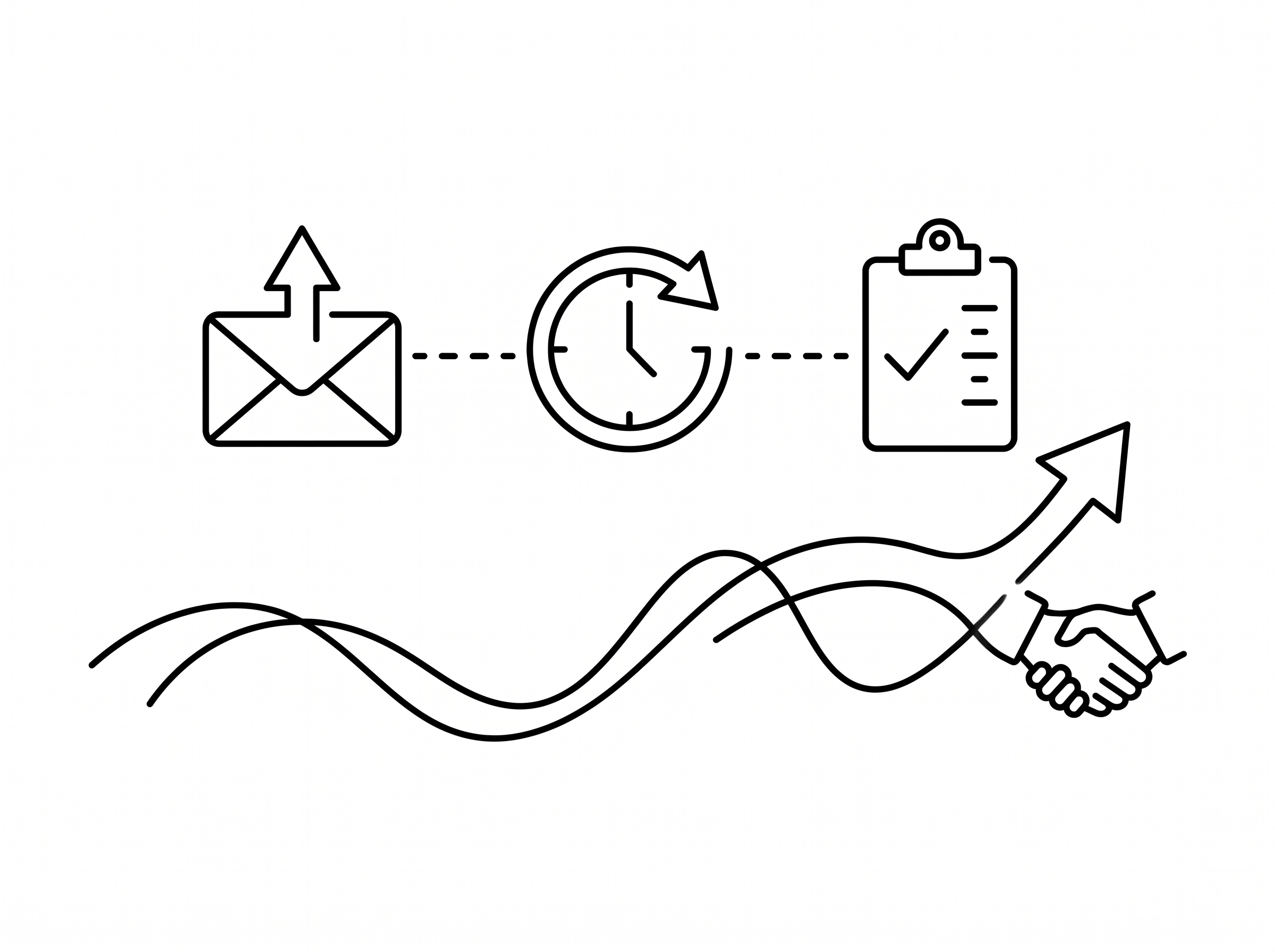
Relying on reminders to fix fundamentally broken interview structures. A scorecard reminder workflow is a mechanism for speed, not a cure for incompetence. If your interviewers do not know what questions to ask, or if they do not understand the core competencies required for the role, prompting them faster will only result in faster bad data. You must calibrate your team first, ensuring everyone knows what a "strong hire" looks like.
Using overly complex formatting. Attempting to force candidates into rigid, outdated evaluation boxes creates massive resistance from technical interviewers. Do not demand essay-length responses. If the evaluation takes longer than the interview itself, your workflow will fail regardless of how many reminders you send.
The Breakthrough, Career Impact, and FAQs
Transforming the Hiring Funnel & Career Growth
For Sarah and Mark, applying a well-tuned scorecard reminder workflow changed the entire trajectory of their hiring outcomes. The breakthrough moment happened the very first week the system went live. Mark finished a final-round interview with a senior developer. Exactly two hours later, an automated Slack message popped up with a direct link to his evaluation form. Because the form was simplified and the interview was fresh in his mind, Mark completed his notes in four minutes.
The systemic impact was astonishing. Over the next quarter, average feedback time plummeted from 4 days to a mere 12 hours. Because Sarah could now confidently move candidates to the offer stage the very next day, the dreaded 20% candidate drop-off rate evaporated. Faster communication meant a higher pass-through rate, better decision alignment among the panel, and ultimately, an absolute edge over competing employers.
Beyond the immediate company metrics, mastering this workflow provides exceptional career leverage for recruiters and talent leaders. When interviewing for senior talent acquisition roles, professionals who understand systems thinking easily differentiate themselves from those who rely on manual effort.
Q: “How have you applied a scorecard reminder workflow to improve outcomes?”
A: I standardized feedback collection by automating post-interview nudges directly into Slack, which reduced decision time by 40%, significantly improved offer acceptance rates, and eliminated candidate drop-offs during the final stages.
To clearly demonstrate this expertise on a resume, consider these impactful bullet points:
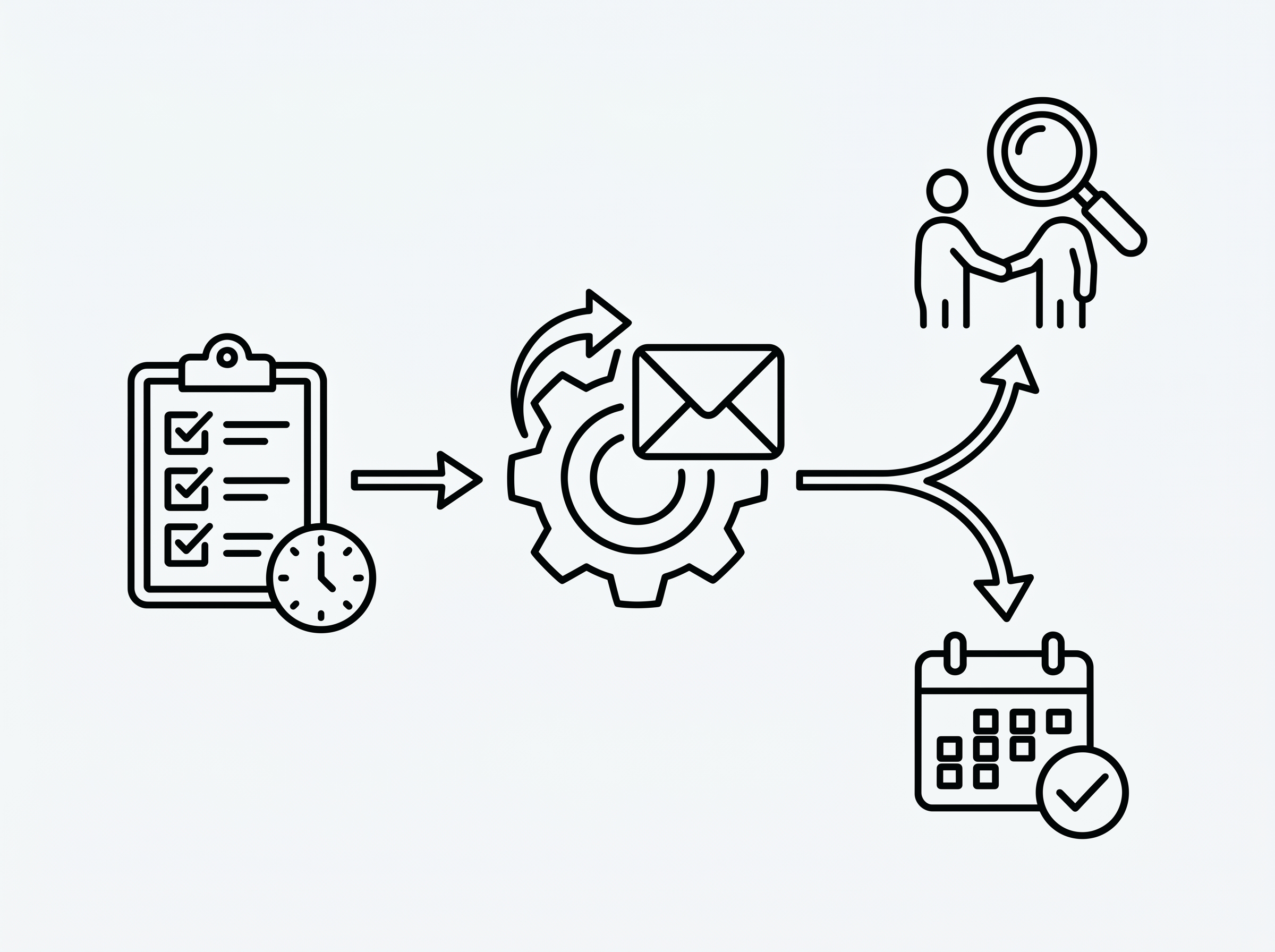
- Standardized the internal feedback process, reducing scorecard submission delays from 4 days to 12 hours.
- Calibrated cross-functional hiring teams using automated nudges, leading to a 20% drop in candidate withdrawals.
- Streamlined hiring workflow automation within the ATS, enabling faster decision-making and offer generation.
- Reduced total time-to-hire by integrating intelligent post-interview alerts, driving a highly efficient talent pipeline.
- Improved overall candidate pass-through rates by eliminating post-interview communication bottlenecks.
Evaluating the Tradeoffs (Pros & Cons)
Before launching your own automated processes, it is crucial to objectively evaluate the realities of the system.
- Benefit: Dramatically faster time-to-hire through automated follow-ups that eliminate the need for manual recruiter chasing. | Tradeoff: Initial setup complexity requires precisely mapping your ATS triggers and integrating communication APIs.
- Benefit: Higher candidate pass-through rate and a vastly superior candidate experience with less drop-off [5]. | Tradeoff: Potential alert fatigue and employee frustration if the reminders are configured to be too aggressive.
- Benefit: Improved hiring alignment, decision quality, and data consistency across all structured interviews. | Tradeoff: Requires hiring managers to genuinely adopt new daily habits and abandon their old, unstructured evaluation methods.
Essential FAQs
What is a scorecard reminder workflow?
It is an automated system that sends timed notifications to interviewers, urging them to complete and submit their candidate evaluation forms immediately after an interview. It connects directly to an ATS or communication tool to ensure recruiting teams gather structured feedback without manual follow-up.
Can a scorecard reminder workflow backfire?
Yes. If configured poorly, it can cause severe alert fatigue, leading managers to mute notifications or blindly submit low-quality, rushed feedback just to make the alerts stop. It must be balanced with simplified forms and reasonable escalation timelines.
How does this workflow integrate with an AI interview platform?
Modern platforms easily trigger these workflows through webhooks. Once the AI tool or ATS logs the interview as complete, the system automatically begins the countdown, ensuring a seamless handover from the digital interview to human evaluation.
Why does this specific automation reduce candidate ghosting?
Because delayed feedback is the primary cause of hiring bottlenecks. By forcing fast internal decisions, recruiters can update candidates within 24 hours, preventing the communication gaps that cause top talent to abandon the pipeline [1].
Conclusion
Mastering a scorecard reminder workflow creates a incredibly durable hiring advantage. In a market where speed equates to quality, relying on human memory and manual follow-ups is a losing strategy. By automating the nudges, simplifying the criteria, and keeping your teams strictly accountable, you transform a sluggish, frustrating process into a competitive weapon that consistently captures the best talent on the market.
If you want to operationalize a scorecard reminder workflow with structured workflows (Sourcing → resume screening → AI interviews → interview scorecards → offers → background checks), try tools like Foundire (https://foundire.com).