How to Assess Domain Knowledge

How to Assess Domain Knowledge: A Guide for Talent Leaders
What is a Domain Knowledge Assessment?
A domain knowledge assessment is a structured evaluation of a candidate's specialized expertise, practical skills, and theoretical understanding within a specific industry or field. By systematically measuring this expertise rather than relying on a hiring manager's gut feeling, talent acquisition teams drastically improve hiring speed, the quality of hire, and the overall candidate experience. When organizations align expectations early through targeted screening, they ensure every new hire has the precise functional capabilities required to succeed from day one, rather than just an impressive resume.
Consider the story of Sarah, a recruiting manager at a fast-growing tech firm. Early in her career, she spent weeks pushing articulate, highly confident candidates through the hiring pipeline, only to have them rejected in the final executive rounds. Why? Because they lacked the deep, functional expertise required for the job. Her team was wasting hours conducting generic interviews with candidates who sounded great on paper but failed to demonstrate true competence when pressed on industry-specific nuances. The cost of getting this wrong was immense: burned-out hiring managers, frustrated candidates, and thousands of dollars wasted on empty interview cycles.
The Cost of Getting It Wrong
Without a structured way to evaluate specialized expertise, companies fall into the trap of hiring for confidence rather than competence. In today's highly competitive talent landscape, relying solely on traditional resume screening often results in mis-hires. A mis-hire not only disrupts team morale but also derails project timelines and inflates recruitment budgets. Implementing a robust assessment framework prevents these costly errors by filtering out applicants who possess surface-level vocabulary but lack the operational depth to execute complex tasks.
Real-World Scenario: Fixing the Talent Funnel
The Before State: Inefficiency and Delays
To understand the true impact of this methodology, let's look at a concrete hiring scenario. David, a Hiring Manager for a national health network, and Elena, a Senior Recruiter, were tasked with hiring a Senior Healthcare Compliance Specialist. Their traditional hiring workflow was straightforward but deeply flawed: intake, followed by resume screening, a technical interview, a final decision, and eventually, offers and background checks.
Despite sourcing heavily, their metrics were alarming. They had a 40% pass-through rate to final rounds, which seemed promising, but they suffered a dismal 10% offer acceptance and success rate. The core problem was glaringly obvious to Elena after auditing the pipeline. The generic interviews were passing candidates who sounded confident and knew the right buzzwords to bypass the ATS (Applicant Tracking System), but who completely failed deep functional questions during the final executive review. The timeline dragged on for months, and top-tier candidates dropped out of the funnel due to the slow, disjointed process.
The Workflow Transformation
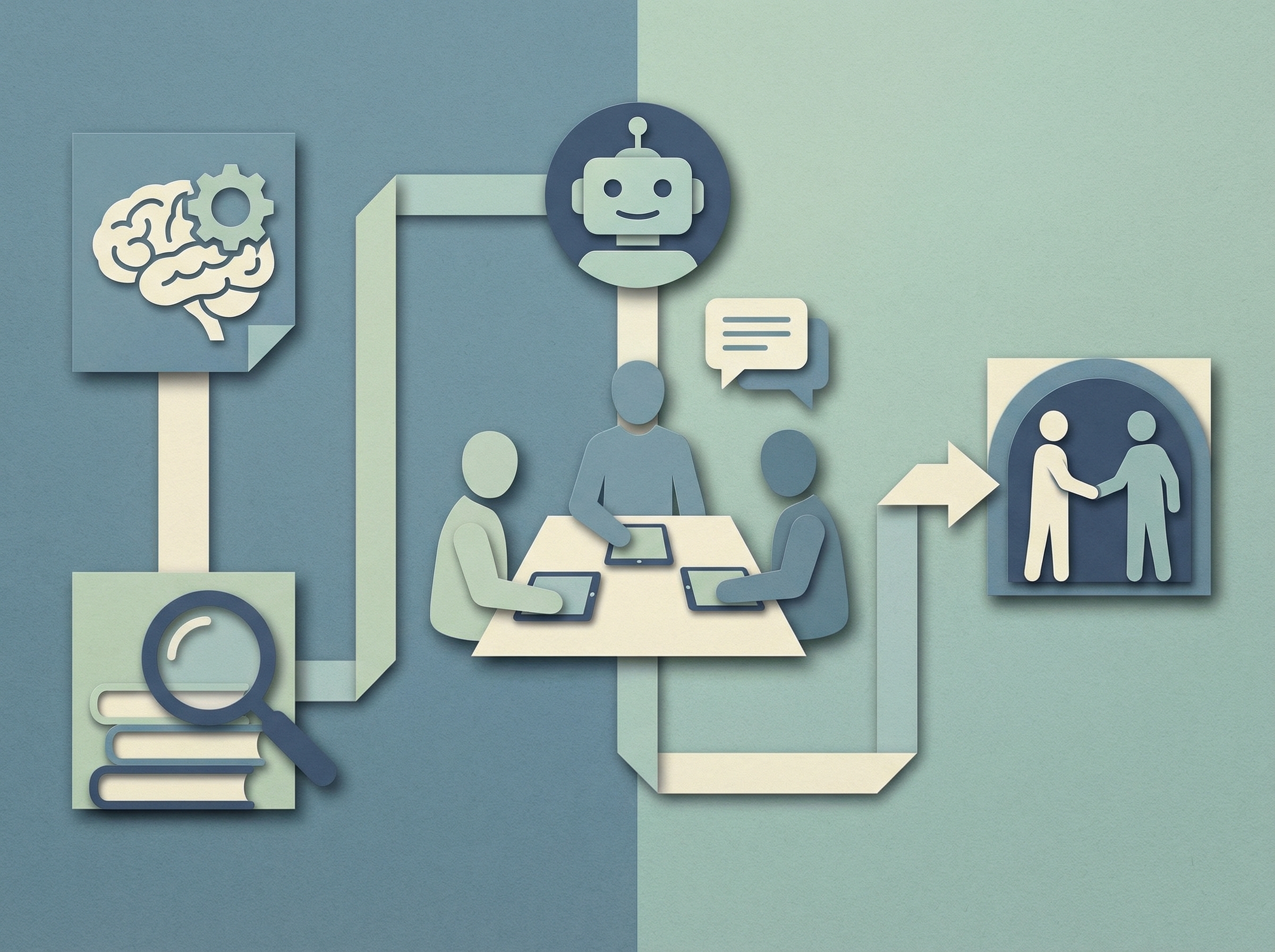
Elena realized that testing for baseline knowledge at the very end of the funnel was backward. She and David needed to shift the evaluation forward to stop wasting time on functionally unqualified applicants. They needed a system that evaluated real-world application, not just interview performance. This realization sparked a complete overhaul of their hiring workflow automation, shifting from a reactive interview model to a proactive, data-driven evaluation model.
Core Insights, Pitfalls, and the Breakthrough Moment
Best Practices for Assessment
Transforming a broken hiring process requires more than just adding another test; it requires strategic alignment. Here are four actionable heuristics for applying a domain knowledge assessment effectively:
- Align assessments to daily realities: Do not test for obscure academic theories. Build your assessments around the actual problems the candidate will solve in their first 90 days. If they are a compliance officer, have them audit a redacted, simulated incident report.
- Use structured interview scorecards: Ambiguity is the enemy of fair hiring. Implement standardized interview scorecards that force interviewers to grade specific competencies on a uniform scale, significantly reducing unconscious bias.
- Leverage an AI interview platform for baseline screening: Free up recruiter bandwidth by utilizing asynchronous AI tools to handle initial technical screening. This ensures every candidate is evaluated against the exact same baseline criteria before taking up a human interviewer's time.
- Focus on applied problem-solving: Move away from "gotcha" trivia questions. Instead, present a complex, industry-specific scenario and ask the candidate to walk you through their troubleshooting process.
Common Pitfalls to Avoid
Even well-intentioned talent teams can stumble when rolling out new evaluation methods. Be careful to avoid these three common pitfalls:
- Testing for trivia instead of application: Asking a candidate to recite a specific regulation code from memory is useless if they cannot explain how to apply that regulation to a real business problem.
- Ignoring the candidate experience: Assessments that take four hours to complete will cause your top candidates to abandon the process. Keep tests highly relevant, respectful of the candidate's time, and ideally under 60 minutes.
- Failing to calibrate the grading rubric: If three different interviewers score the exact same assessment answer differently, your data is useless. Always calibrate your hiring managers on what a "great," "average," and "poor" answer looks like before the first interview.
The Breakthrough Moment
For David and Elena, the turning point occurred when they finally deployed a standardized domain knowledge assessment integrated directly after the initial AI screening phase. Instead of waiting for round three to ask technical questions, candidates were given a 30-minute practical compliance scenario immediately after passing the initial screen.
The measurable impact was immediate and staggering. Time-to-hire was reduced by 14 days. Consistency in evaluations skyrocketed because David's team was finally using calibrated scorecards. Most importantly, the final round pass-through rate jumped to 75%.
Furthermore, they saw candidate drop-offs decrease. High-performing professionals appreciated the clear, respectful, and highly relevant technical evaluation, which signaled to them that the company took its work seriously and valued true expertise over smooth talking.
Career Impact, Tradeoffs, and FAQs
Standing Out as a Talent Leader
For recruiters and HR professionals, mastering the domain knowledge assessment is a massive career differentiator. Talent acquisition leaders who implement these systems transition from being administrative order-takers to strategic talent partners. By speaking the language of metrics, structured interviews, and workflow optimization, you prove your direct impact on the company's bottom line.
If you are interviewing for a senior talent role, you must be prepared to articulate this value. Consider this common interview interaction:
Q: "How have you applied domain knowledge assessment to improve outcomes?"
A: "I standardized the evaluation rubric, calibrated hiring managers, and streamlined the screening process, reducing mis-hires by 30% and cutting our time-to-fill by two weeks."
Resume Action Bullets
To highlight your expertise in this area, incorporate these concise, impact-driven bullet points into your resume:
- Calibrated structured interviews to increase domain knowledge assessment accuracy by 45%.
- Streamlined the technical screening process using an AI interview platform, reducing time-to-hire by 14 days.
- Standardized interview scorecards across 5 departments, significantly reducing unconscious bias and improving offer acceptance rates.
- Redesigned hiring workflow automation from intake to background checks, increasing final round pass-through rates to 75%.
Pros and Cons: Evaluating the Method
Every methodology has its benefits and tradeoffs. It is crucial to understand both sides to implement these assessments successfully.
| Benefit | Tradeoff |
|---|---|
| Higher accuracy in predicting on-the-job performance and long-term success. | Requires significant upfront time and collaboration to build realistic, role-specific scenarios. |
| Reduces unconscious bias through standardized scorecards and objective criteria. | Can intimidate junior candidates if not framed properly as a supportive, collaborative exercise. |
| Streamlines the final interview stages by ensuring only functionally qualified candidates proceed. | Relies heavily on accurate calibration and consistent participation by the hiring manager. |
Frequently Asked Questions
What is domain knowledge assessment?
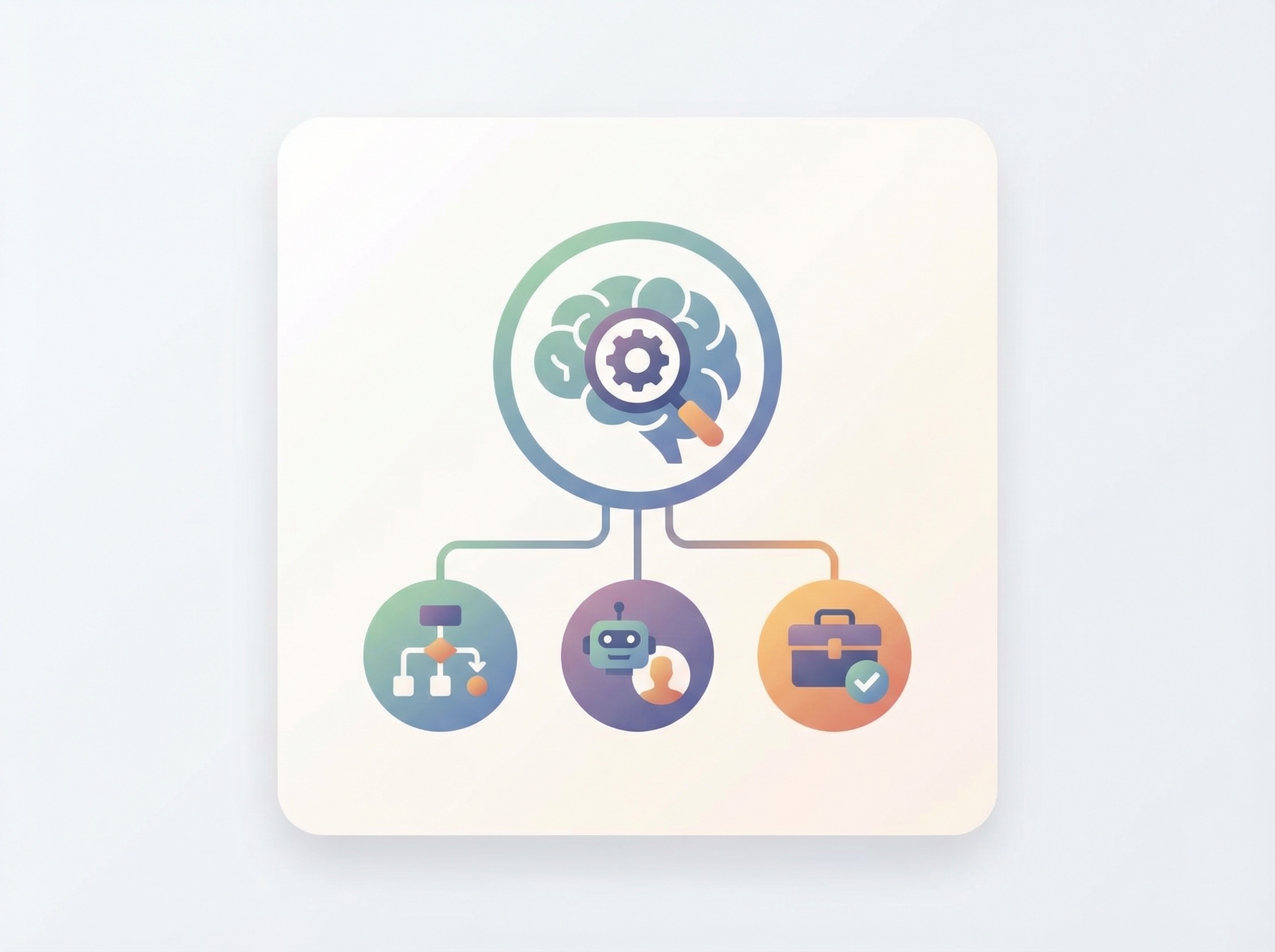
A domain knowledge assessment is a structured evaluation used during the hiring process to measure a candidate's specific industry expertise and functional skills. It moves beyond generic behavioral questions to test how well an applicant can apply theoretical knowledge to real-world, job-specific scenarios, improving overall quality of hire.
Can domain knowledge assessment backfire?
Yes, it can backfire if the assessment is overly theoretical or disconnected from the actual day-to-day work. Testing for obscure trivia rather than practical application can alienate highly experienced, practical experts. Additionally, assessments that demand excessive time from candidates often lead to high drop-out rates among top-tier talent.
How do you automate domain knowledge screening?
You can automate screening by integrating an AI interview platform directly into your ATS. This allows you to deploy asynchronous functional questions to candidates instantly after resume screening. By combining automated video or text evaluations with calibrated interview scorecards, recruiters can efficiently filter candidates before scheduling live interviews.
Conclusion: A Durable Hiring Advantage
Operationalizing how you test and verify functional expertise is no longer optional in modern recruitment; it creates a lasting, durable competitive advantage in talent acquisition. When you move away from subjective evaluations and embrace structured, data-backed methodologies, you protect your organization from the cascading costs of bad hires while significantly elevating the candidate experience. Mastering the domain knowledge assessment ensures that your talent pipeline is filled with individuals who can actually execute the work, driving your company's mission forward with precision.
If you want to operationalize domain knowledge assessment with structured workflows (Sourcing -> resume screening -> AI interviews -> scorecards -> offers -> background checks), try tools like Foundire (https://foundire.com).