How Interview Transparency Wins Talent

How Interview Transparency Wins Talent
Interview transparency is the strategic practice of proactively sharing process steps, evaluation criteria, timeline expectations, and salary ranges with candidates before they ask. It shifts hiring from an opaque transaction into a collaborative partnership, directly improving speed, trust, and offer acceptance rates. In a market where 76% of candidates would reject an offer due to a poor interview experience regardless of pay, transparency is no longer just "nice to have"—it is an operational necessity.
Imagine this: A top-tier engineer applies to your role. They ace the screening, then hear nothing for two weeks. When they finally get an invite, they face a panel asking "gotcha" questions unrelated to the job. Frustrated and undervalued, they withdraw. This is the hidden cost of opacity. Now, let’s flip the script.
Real-World Scenario: The Transparent Workflow in Action
Meet Sarah, a Talent Acquisition Leader at a mid-sized tech firm. Her problem was clear: her "time-to-fill" was creeping up to 60 days, and her offer acceptance rate had dipped below 70%. Candidates were dropping out mid-funnel, often "ghosting" the team entirely.
Enter Alex, a Senior Product Manager candidate. In the old "black box" system, Alex would have applied, received a generic auto-reply, and waited in limbo. But Sarah had just implemented a Transparent Interview Workflow.
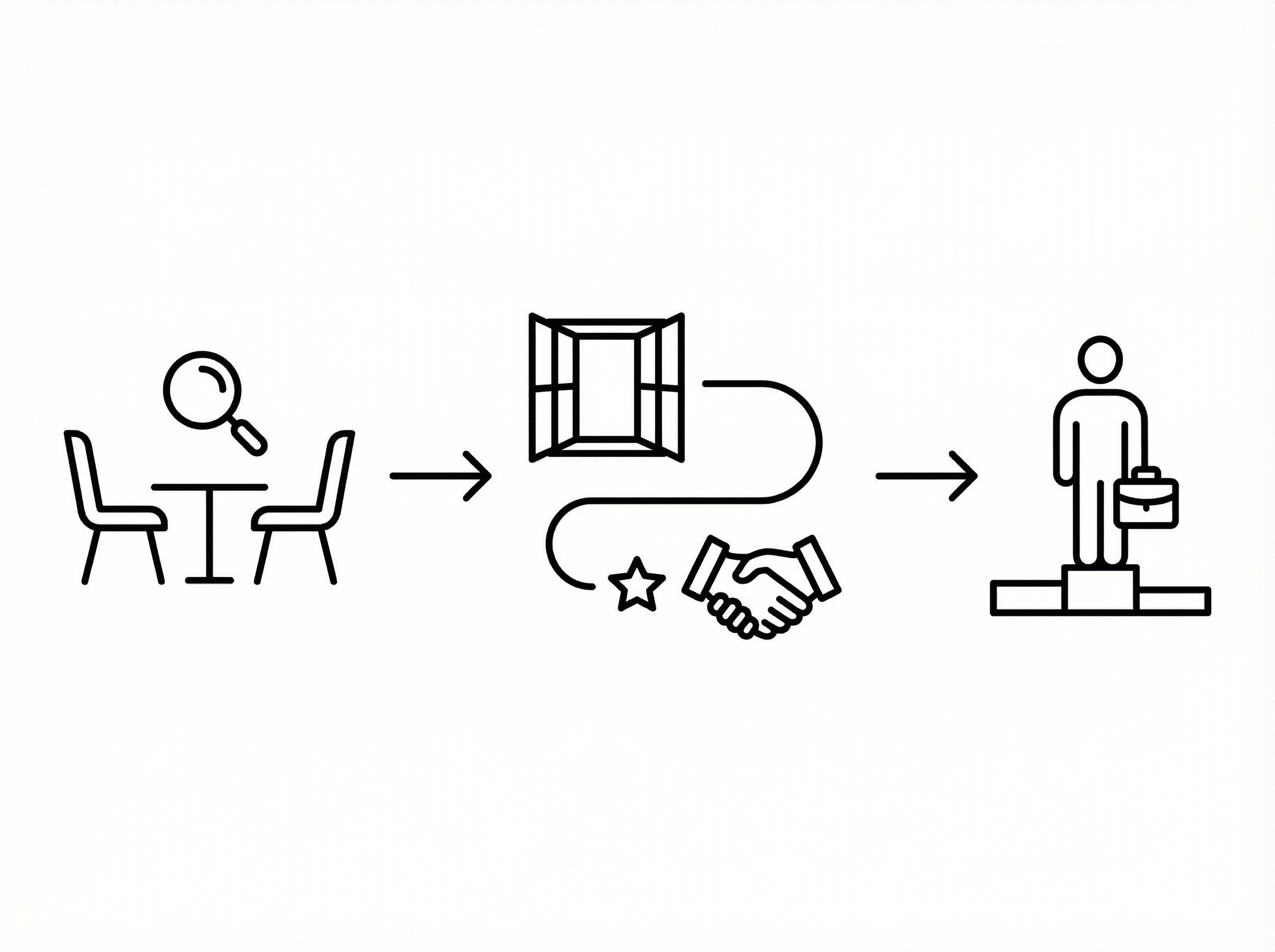
The "Before" State: The Black Box
Previously, Sarah’s process was a guessing game. Candidates didn't know how many rounds existed, who they would meet, or how they were being scored.
- Undefined Timeline: "We'll get back to you soon" usually meant 5–10 days of silence.
- Misaligned Expectations: Candidates prepared for technical questions but were grilled on behavioral traits, leading to poor performance.
- The Result: A 40% drop-off rate at the assessment stage because candidates felt unprepared and disrespected.
The Workflow Shift: Clarity as Strategy
Sarah overhauled the process for Alex’s cohort. Here is exactly what changed:
- Intake Clarity: The job description included a "Process Roadmap" listing exactly four stages: Recruiter Screen, Hiring Manager Deep Dive, Take-Home Case Study (paid), and Final Culture Add Panel.
- Scorecard Visibility: Before the Case Study, Alex received a one-page guide: "Here is exactly what we are measuring—strategic thinking (40%), data analysis (30%), and communication (30%)."
- Automated Status Updates: Using her ATS, Sarah set up triggers. If a decision wasn't made in 48 hours, Alex received a note: "Still discussing! You haven't been forgotten."
The Outcome: Alex felt respected, not tested. Instead of guessing what the company wanted, he showcased his best work aligned with their actual needs. When the offer came, he accepted immediately—not just for the role, but because he trusted the people who designed the process.
Core Insights: Operationalizing Transparency
To replicate Sarah’s success, you don't need to reveal trade secrets. You need to operationalize clarity using these three heuristics.
3 Actionable Heuristics
- Publish the Roadmap: In your initial outreach or job post, list the steps and estimated timeline. Mention the tools involved, such as Foundire for assessments or your specific video interviewing platform. This reduces anxiety and helps candidates plan.
- Calibrate Early: Share the "Why." Don't just ask a question; explain the context. "We are asking about your experience with conflict resolution because this role involves cross-functional negotiation." This is often called "transparent calibration."
- Constructive Closure: The dreaded "generic rejection" is a brand killer. Even brief, category-based feedback (e.g., "We prioritized candidates with more B2B SaaS experience") provides closure and maintains your reputation.
Common Misconceptions & Pitfalls
Myth: "If I give them the questions, they will cheat."
Reality: You aren't testing memorization; you are testing competence. Sharing themes or questions in advance (especially for neurodivergent candidates) allows you to evaluate their best thinking, not their ability to improvise under stress.
Pitfall: Confusing transparency with oversharing. You do not need to share internal disagreements or specific salary data of other employees. Stick to the process and the role expectations. Legal liability arises from inconsistency, not clarity.
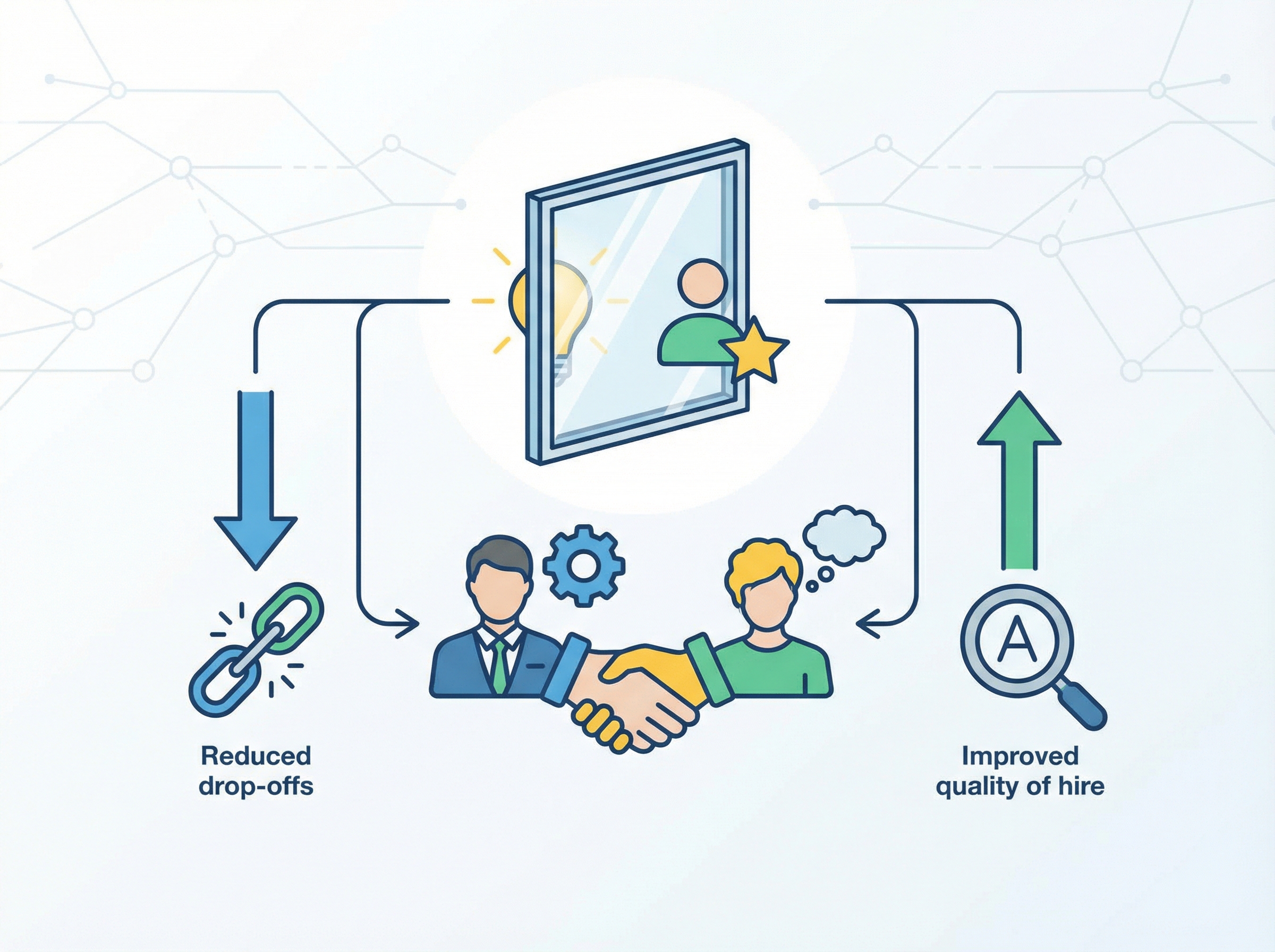
Tech Tip: Leverage AI interview platforms to standardize this. Tools that automate scheduling and provide structured interview guides ensure every candidate gets the same transparent experience, removing the "interviewer mood" variable.
The Breakthrough: Measuring the Impact
For Sarah, the turning point came during salary negotiation with Alex. Because the salary band ($140k–$160k) was published upfront, there was no awkward "price discovery" dance at the end. They focused on equity and benefits instead.
Six months after implementing interview transparency, Sarah’s team tracked the data:
- Pass-Through Rate: Increased by 20% (candidates were better prepared).
- Time-to-Fill: Dropped from 60 days to 45 days (fewer mismatches).
- Ghosting: Reduced significantly. When candidates know the timeline, they are less likely to vanish.
Career Relevance for Recruiters
Mastering interview transparency differentiates you as a modern Talent Leader. It signals that you build systems, not just fill seats.
The Interview Question
Q: "How have you applied interview transparency to improve outcomes?"
Model Answer: "I shifted our hiring from a black-box model to a transparent workflow. By standardizing our scorecards and sharing evaluation criteria with candidates beforehand, we reduced bias and improved our offer acceptance rate by 15%. I view the candidate experience as the first step of employee retention."
Resume Boosters
- "Designed and implemented a transparent interview workflow, reducing candidate drop-off by 18%."
- "Standardized evaluation criteria and scorecards to improve candidate Net Promoter Score (NPS)."
- "Led 'Open Hiring' initiative, ensuring 100% compliance with pay transparency laws across 12 states."
Pros & Cons of Open Hiring Models
| Benefit | Tradeoff |
|---|---|
| High-Trust Candidate Experience (CX): Candidates feel respected, leading to better Glassdoor reviews and referrals. | Competitive Vulnerability: Competitors can see your exact process, salary bands, and tech stack. |
| Efficient Self-Selection: Unqualified candidates opt out early when they see the rigorous steps or salary range. | Initial Setup Time: Requires heavy upfront work to document processes, train managers, and build scorecards. |
| DEI & Fairness: Removes "hidden curriculum" advantages, leveling the playing field for diverse talent. | Rigidity: A transparent process is harder to "bend" for a unique candidate without seeming unfair to others. |
Frequently Asked Questions
What is interview transparency exactly?
Interview transparency is the practice of openly sharing information about the hiring process—including salary ranges, interview formats, timeline, and evaluation criteria—with candidates upfront. It aims to reduce anxiety and create a more equitable hiring environment.
Can interview transparency backfire?
Yes, if not managed correctly. "Radical transparency" (like sharing sensitive internal feedback) can lead to legal issues or hurt feelings. The goal is process clarity, not raw unfiltered data. Stick to helpful, objective information.
How do I start being transparent without changing company policy?
Start small. You don't need a policy change to send an email saying, "Here are the 3 things we are looking for in this interview." Recruiters can individually improve transparency in their own communications immediately.
Conclusion
In a world of AI-generated resumes and automated rejections, the human element of trust has become the ultimate competitive advantage. Interview transparency isn't just about being "nice"—it's about being efficient. Clarity creates speed.
When you demystify the process, you don't lower the bar; you help the right people clear it. If you want to operationalize this level of clarity with structured workflows—from sourcing and resume screening to AI interviews and scorecards—consider using tools designed for this new standard, like Foundire.